The Evolution of Data Capture: Integrating Barcodes with AI and IoT
Beyond the Beep: Why Barcodes Are Getting Smarter
For decades, barcodes have been the unsung heroes of inventory management and retail. Simple, effective, and ubiquitous. However, in today's data-hungry world, a simple "beep" isn't enough. Businesses need contextual information, real-time updates, and predictive insights.
This is where the fusion of **barcodes with Artificial Intelligence (AI) and the Internet of Things (IoT)** comes in. Adsonic's approach goes beyond basic scanning, transforming every data point into an intelligent asset that communicates and learns.
How AI & IoT Elevate Barcode Data Capture
AI-Powered Validation
AI algorithms can instantly validate scanned data against databases, flag discrepancies, and even predict potential errors before they occur.
IoT Connectivity
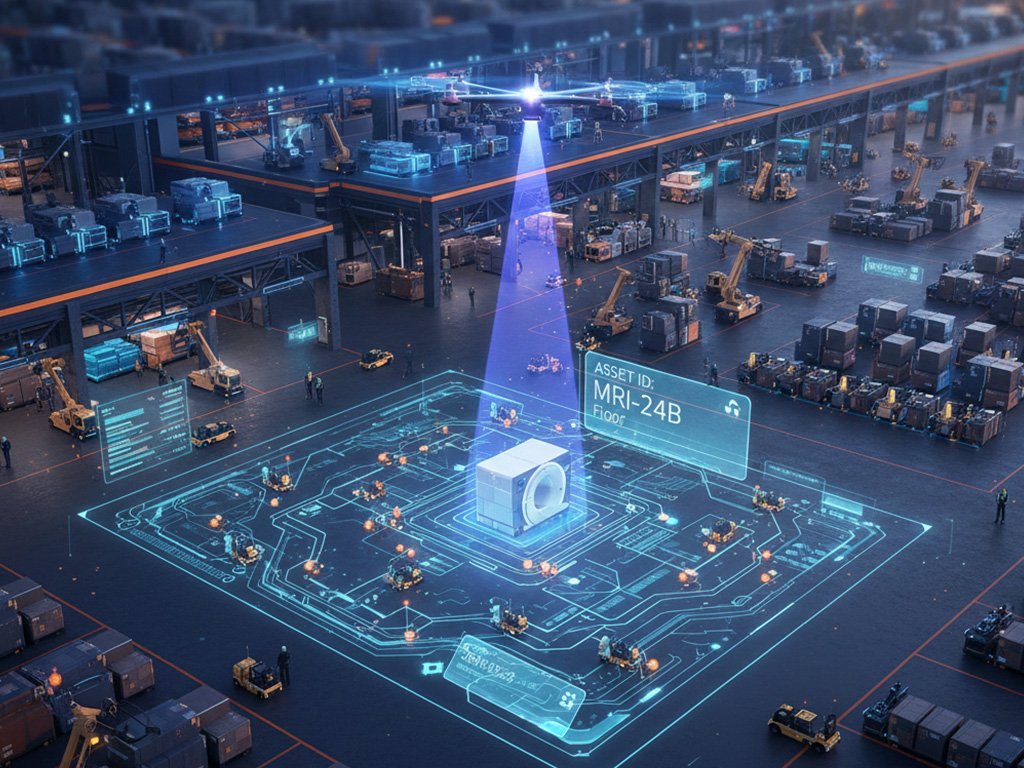
Scanned items are immediately linked to a network of sensors (e.g., temperature, humidity) and location trackers (RTLS), providing a holistic view of asset status.
Predictive Analytics
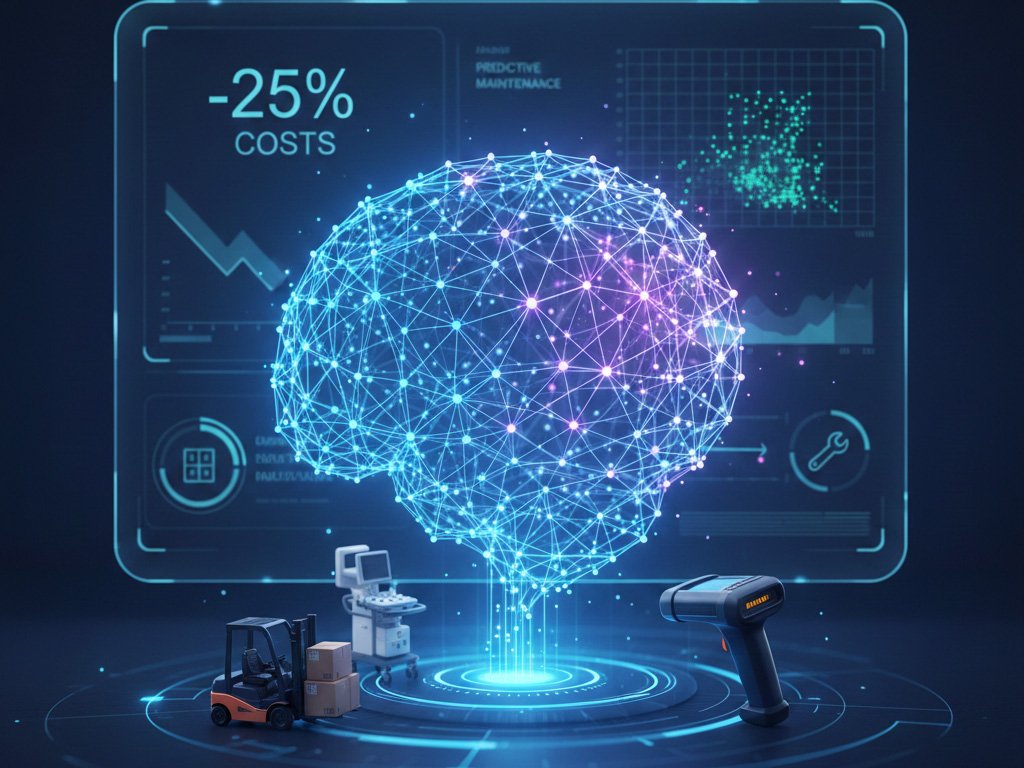
AI uses historical barcode data to forecast inventory needs, identify popular products, and optimize storage layouts, reducing waste and improving efficiency.
Image-Based Scanning
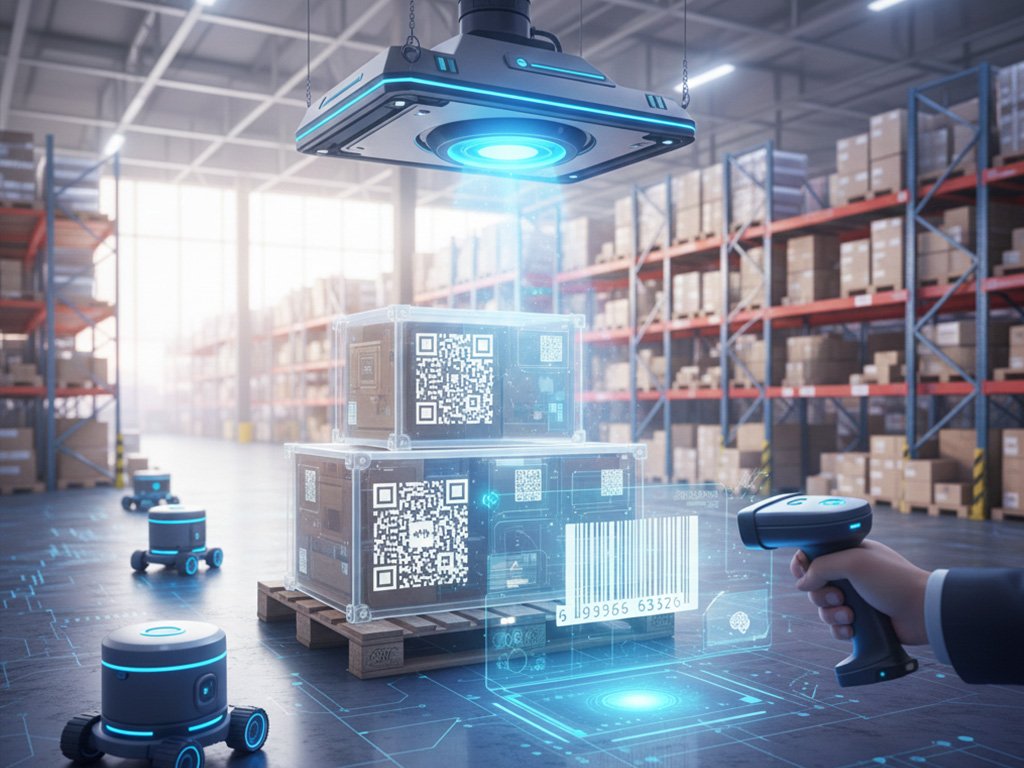
Beyond traditional scanners, AI-powered computer vision systems can identify items via image, even if the barcode is damaged or non-existent.
Automated Workflows
Scanning an item can trigger a chain of automated events: updating inventory, initiating a reorder, or even sending a shipping notification.
Enhanced Traceability
From farm to fork, or factory to customer, every scan contributes to a robust, transparent audit trail for compliance and quality control.
Real-World Impact: Industries Transformed
- Logistics & Supply Chain: Optimize warehouse routes, reduce picking errors, and ensure accurate shipments.
- Retail: Real-time stock visibility, dynamic pricing, and personalized customer experiences through product interaction data.
- Healthcare: Track critical medical supplies, prevent expiry of medications, and manage patient records with unprecedented accuracy.
- Manufacturing: Monitor work-in-progress, track tool usage, and enhance quality control on the assembly line.